
 Tiếng Việt
The best photo spots in Ninh Binh are not always the busiest viewpoints. Sunrise and sunset can be beautiful around Tam Coc, Trang An, Mua Cave, Bich Dong and the countryside lanes, but the right place depends on weather, rice season, crowd timing and how much effort you want before breakfast or after a full day out. This guide is for travelers who want practical sunrise and sunset photography advice, not just a list of famous places. It explains where to go, what each spot is best for, and when a guided photography route or private tour is worth considering.
Quick Answer For sunrise, Mua Cave viewpoint, quiet Tam Coc rice field roads and Trang An countryside areas are usually the strongest options. For sunset, Mua Cave, Bich Dong area roads and open countryside lanes near Tam Coc can work well, depending on weather and rice season. If photography is a priority, go early, stay flexible and choose a route based on light rather than trying to cover every famous stop.
| Photo area | Best time | Best for |
|---|---|---|
| Mua Cave viewpoint | Sunrise or late afternoon | Wide landscape views |
| Tam Coc rice fields | Sunrise, soft morning, golden hour | Karsts, fields, local roads |
| Bich Dong area | Late afternoon | Temple approach, roads, mountain backdrop |
| Trang An countryside | Morning or late afternoon | Water, limestone, calmer rural scenes |
| Village lanes near Tam Coc | Sunrise or sunset | Slow travel, bicycles, local life |
How to think about photography in Ninh Binh
Ninh Binh is photogenic because the landscape has layers: rice fields, rivers, limestone karsts, village roads, temples, boats and changing weather. The challenge is that conditions shift quickly. A perfect-looking sunrise can disappear behind cloud. A sunset can turn soft and grey during rainy season. Rice fields may be green, golden, harvested or flooded depending on the farming cycle.
This does not mean you need perfect conditions to make good photos. In Ninh Binh, atmosphere often matters more than dramatic color. Mist over karsts, a quiet road, a farmer crossing a field, a bicycle beside a stone wall or soft light on temple gates can be more meaningful than a bright orange sky.
The best plan is to choose one main area for each light window. Do not try to photograph Mua Cave, Tam Coc, Trang An and Bich Dong in the same sunrise. You will spend the best light moving between places. Pick a scene, arrive early and let the place change.
If you want help matching route and timing to the light, our Ninh Binh photography tour is built around sunrise or sunset rather than standard sightseeing order.
Mua Cave viewpoint: best for wide landscape shots
Mua Cave is one of the most famous photo spots in Ninh Binh because it gives a high view over limestone karsts, fields and waterways. It is especially popular for sunrise and late afternoon because the light can shape the landscape more clearly than midday sun.
Sunrise at Mua Cave can be rewarding if you are willing to climb early. The air may be cooler, crowds are usually lighter than later in the day, and the view can feel calm before the main tourist flow arrives. The tradeoff is visibility. Morning mist can be beautiful, but heavy haze or cloud may reduce the wide view.
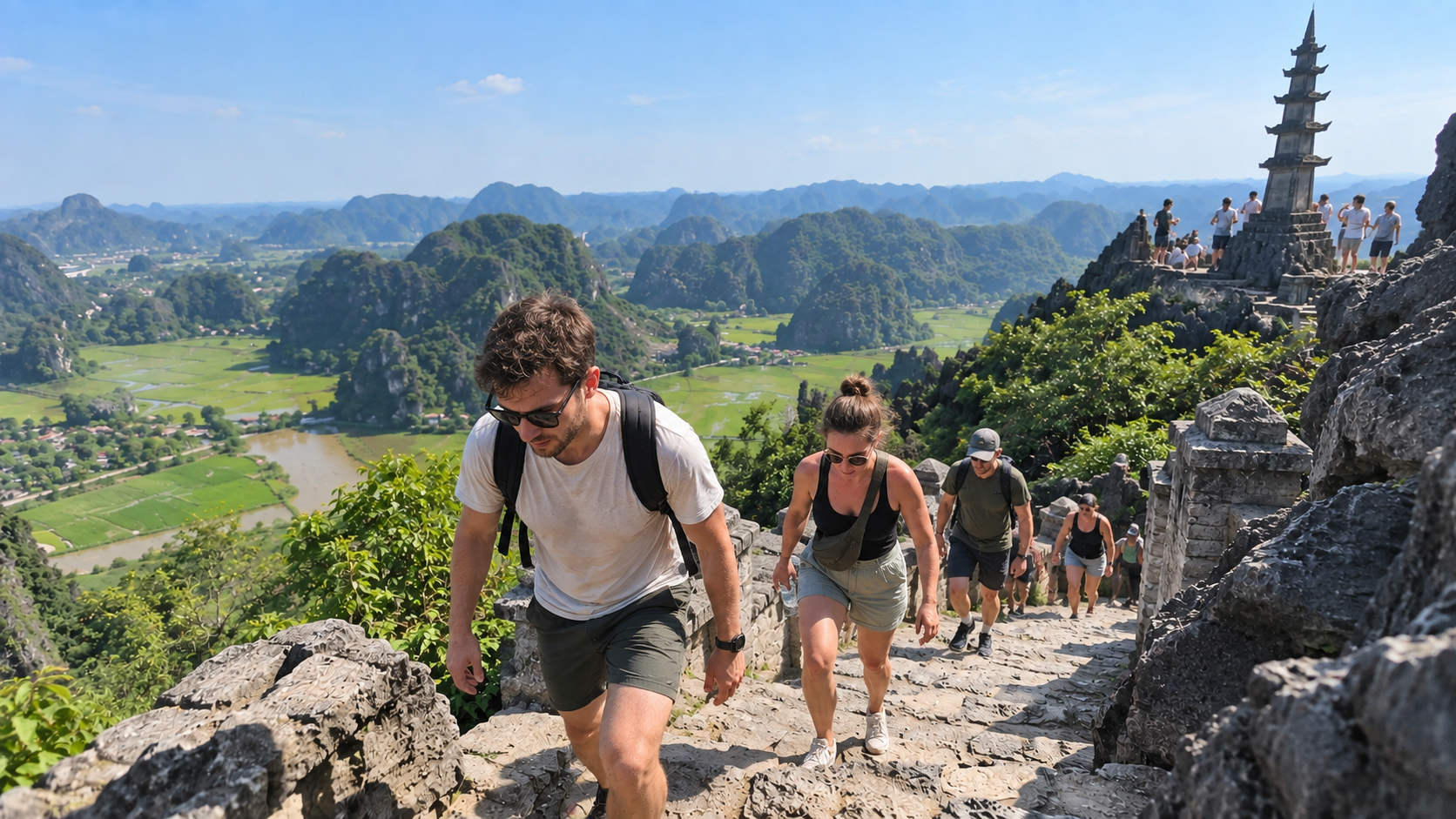
Sunset can also work, especially for travelers who do not want a pre-dawn start. The downside is that more people may have the same idea, and the top can feel busy. If you care about clean compositions, arrive early enough to choose your spot and avoid rushing up the steps in the last light.
Mua Cave is best for wide landscape photos, dramatic scale, couple shots and classic Ninh Binh views. It is less ideal if you want quiet local life, close details or a gentle walk. The climb requires effort, and in heat it can feel harder than expected.
Tam Coc rice fields: best for soft countryside scenes
Tam Coc is one of the best areas for rice field photography because fields, village roads and limestone backdrops sit close together. You do not need a long transfer to find strong compositions. A simple road, a field edge, a bicycle and a karst wall can already tell the story of the countryside.
Sunrise works well here if you want soft light, quiet lanes and fewer vehicles. The first hour after sunrise can be more useful than the exact sunrise moment because the light starts to reach the fields and village roads. During harvest season, the fields may turn golden and busier with local work. During green season, the scene feels softer and fresher.
Sunset around Tam Coc can also be beautiful, but the best direction depends on clouds and where the fields are open. Some roads have mountains blocking the low sun; others catch warm side light. This is where local route knowledge helps.
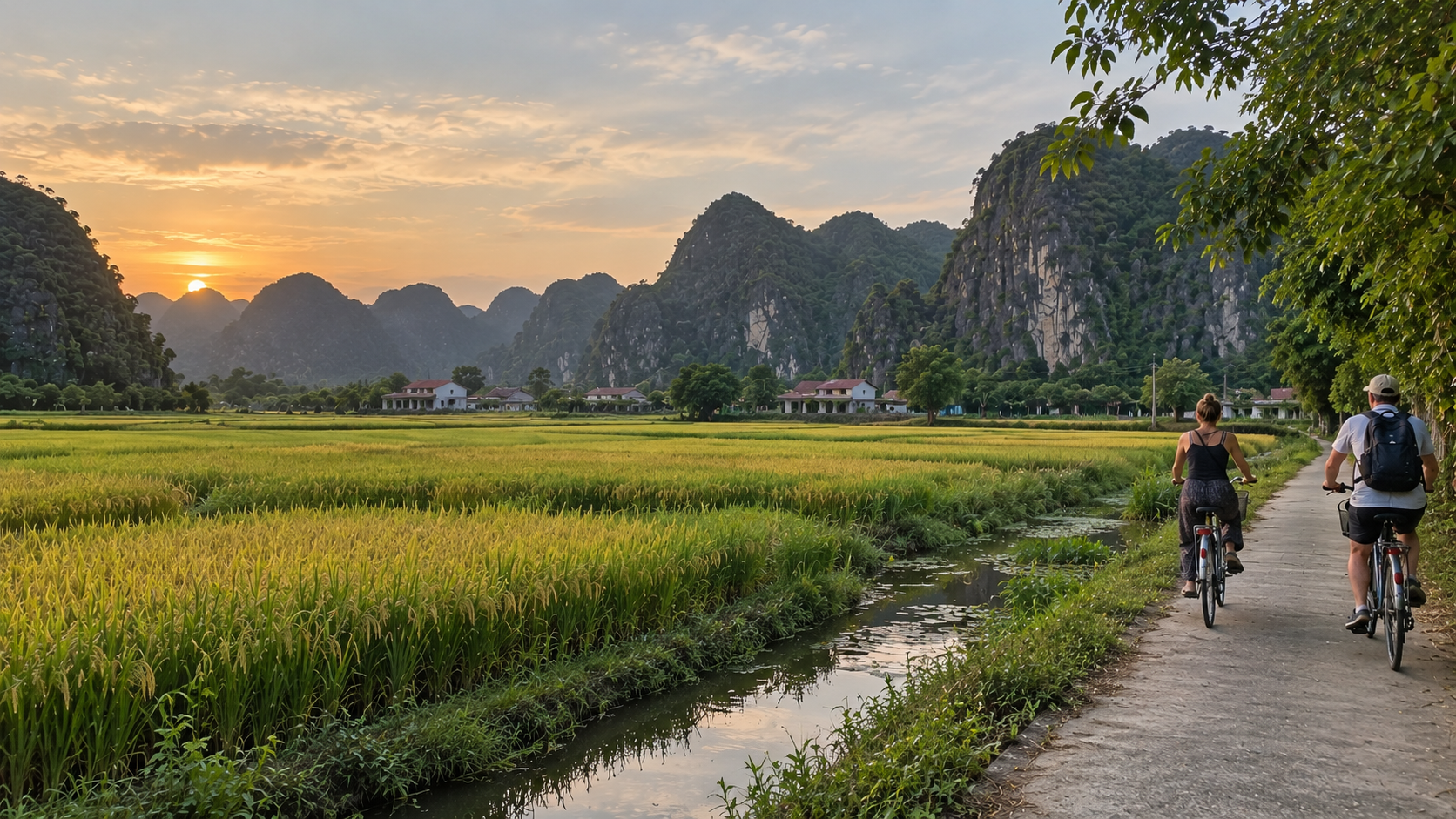
Respect matters in rice field areas. Do not walk into fields without permission, block narrow roads for photos or fly a drone where it disturbs people. The strongest images often come from staying patient on public lanes and letting local life move naturally.
For route ideas around rice fields, Bich Dong and village lanes, see our guide to the best Tam Coc cycling route.
Bich Dong Pagoda area: best for late afternoon atmosphere
Bich Dong Pagoda is not only a temple stop. The road leading toward the pagoda, the nearby cliffs, water, trees and village corners can be excellent for late afternoon photography. The area often feels more intimate than a high viewpoint because you are working with layers at ground level.
Late afternoon is usually better than midday because the light is softer and the stone, trees and temple approach feel less harsh. You can photograph the entrance, the mountain backdrop, bicycles on the road, small reflections after rain or people moving through the area respectfully.
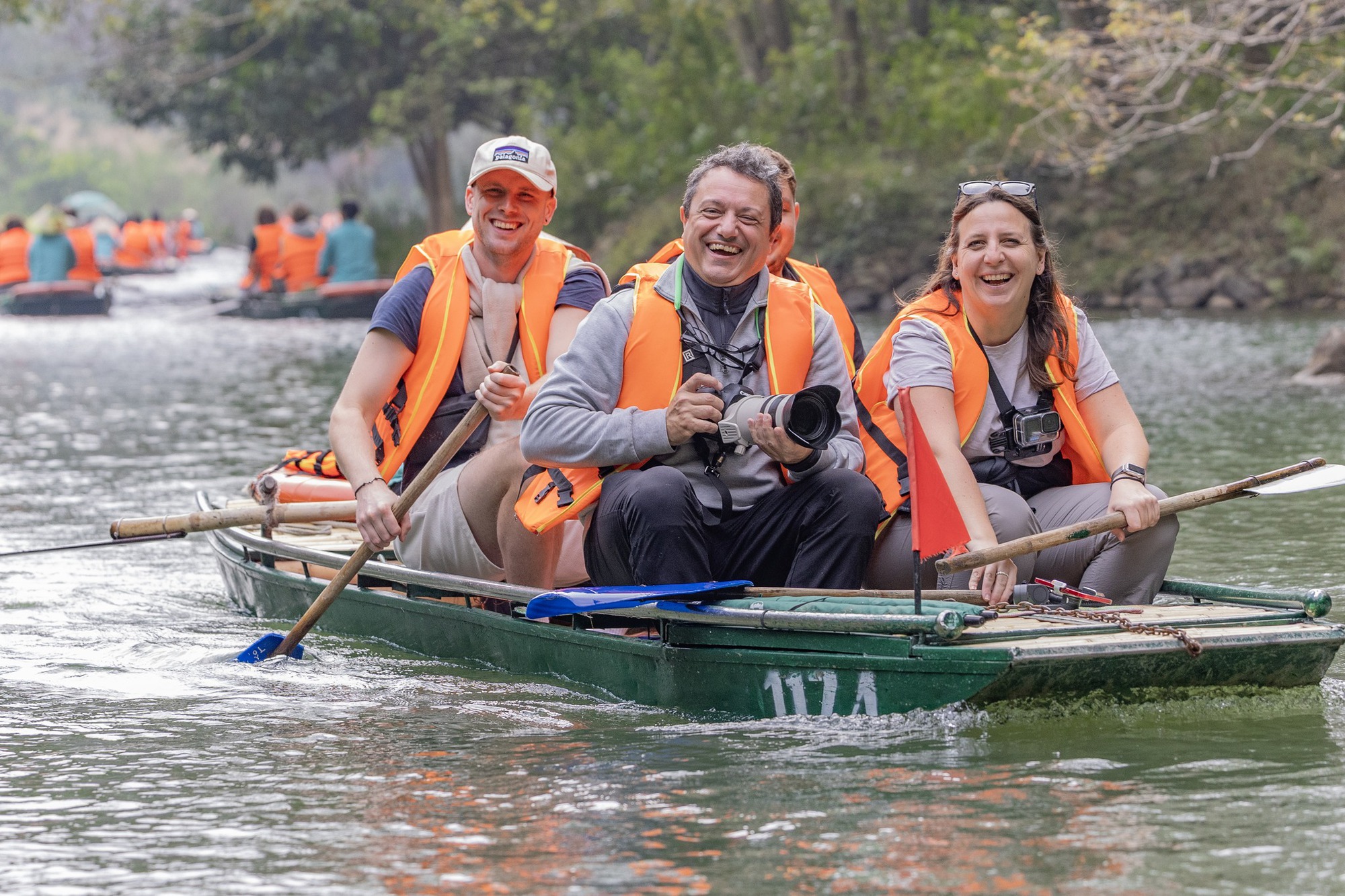
Bich Dong is a religious site, so photography should be considerate. Dress modestly if you enter the pagoda, keep your voice low and avoid treating worshippers as props. The best images here are often quiet: steps, gates, old walls, soft light and the sense of a temple built into the mountain.
This area works well for travelers who prefer atmosphere over big views. It is also a good sunset-area option if you are staying in Tam Coc and want a shorter, slower evening route.
Trang An countryside: best for water, limestone and calm roads
Trang An is famous for boat routes, but the wider countryside around Trang An can also be good for photography. The landscape has water, limestone formations, quiet roads and rural edges that feel different from central Tam Coc. Morning and late afternoon are both useful, especially if you want calmer scenes without climbing.
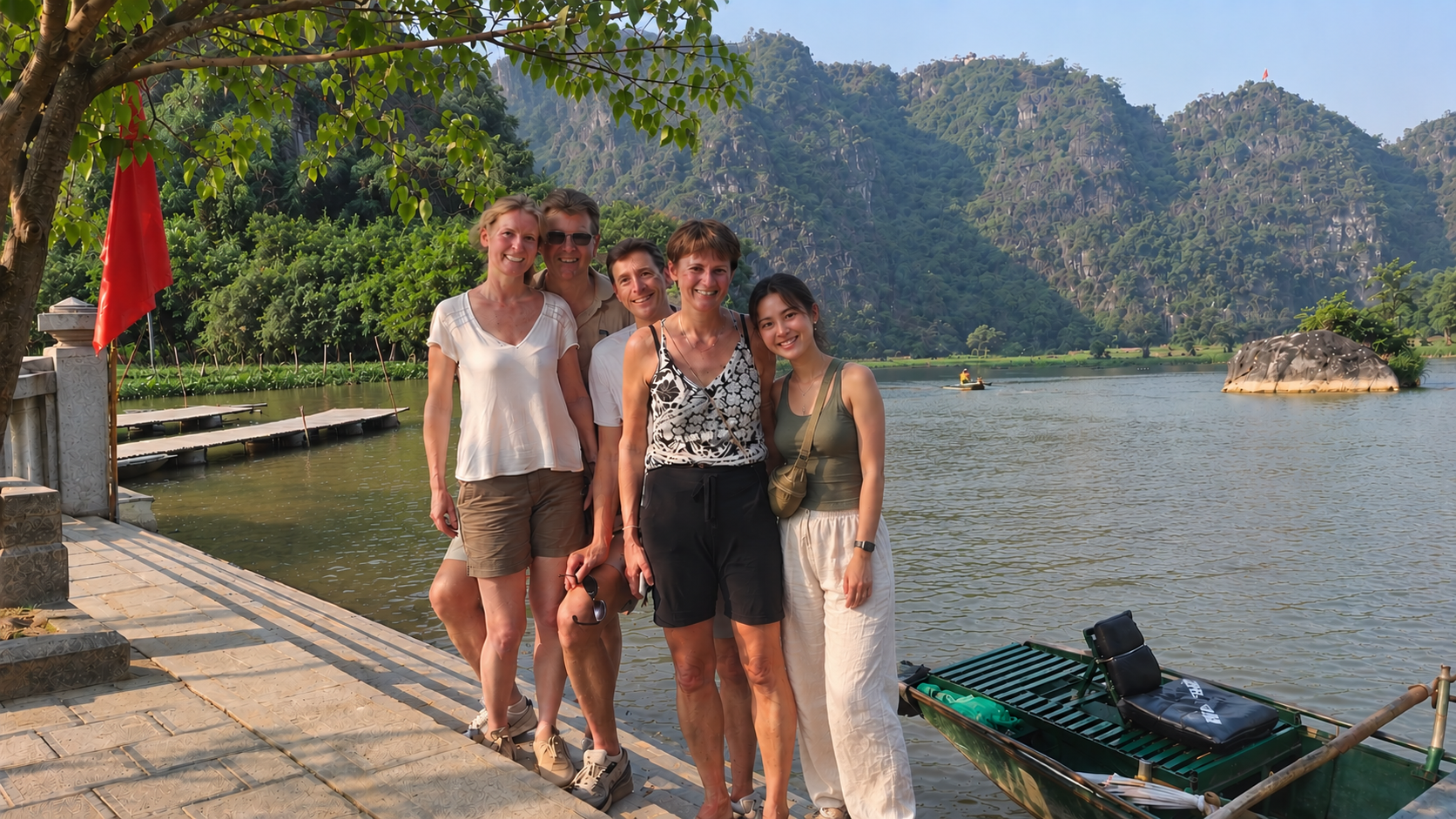
Sunrise near Trang An can bring mist, still water and cooler air. Late afternoon can bring side light across roads, fields and karsts. The challenge is that the best compositions are spread out, so you need either time, a bicycle or e-bike, or a guide who knows which roads make sense that day.
This area is good for photographers who like subtle scenes rather than obvious viewpoints. It can also suit older travelers or private groups who want beautiful landscapes without a steep climb. Weather still matters, but cloudy conditions can work well for softer travel photography.
If you want a comfortable way to move between countryside scenes, a Tam Coc e-bike tour or custom route can help you reach more photo stops without turning the day into a hard ride.
Village lanes near Tam Coc: best for slow travel images
Some of the best photo spots in Ninh Binh are not named on a map. They are small village lanes near Tam Coc, roads between rice fields, walls beside homes, bridges, vegetable gardens and narrow paths where the mountains appear at the end of the road.
These places are best at sunrise or sunset because the light is gentle and local life is moving. You may see people heading to work, families opening shops, bicycles passing fields or smoke from cooking fires. The images are less dramatic than Mua Cave, but often more personal.
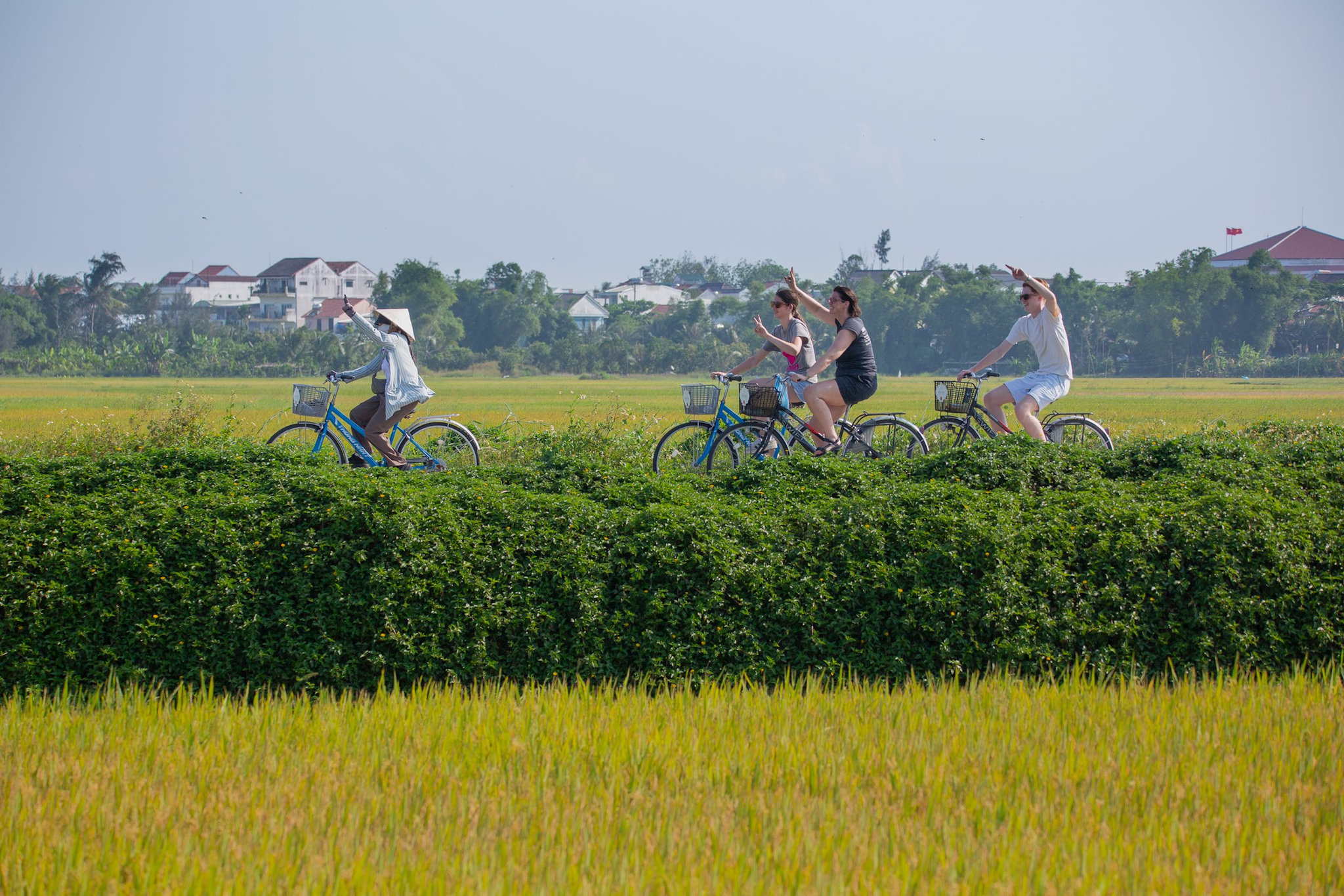
The key is to move slowly. Do not chase every lane. Pick a small area, walk or ride carefully, and let scenes unfold. A local guide can help you avoid private paths, choose respectful stopping points and understand what you are seeing.
Village photography also requires sensitivity. Ask before taking close portraits. Do not photograph children closely without permission. Do not stand in doorways or private courtyards. Good countryside photography should feel like observation, not intrusion.
Sunrise or sunset: which is better?
Sunrise is usually better for quiet roads, cooler weather and fewer crowds. It is the best choice for photographers who want calm, mist and a slower start to the day. The downside is that you need to wake early, arrange transport and accept that cloud cover may hide the sun.
Sunset is easier for most travelers because it fits naturally after a day of sightseeing. It can produce warm light on fields, mountains and roads, but popular places may be busier. Sunset is also more affected by the rhythm of your day; if lunch, transfers or boat tours run late, you may miss the best window.
For serious photography, sunrise often gives more control. For casual travelers, sunset is easier. For the best chance of good images, stay flexible and choose the location based on weather rather than a fixed checklist.
| Goal | Better choice | Why |
|---|---|---|
| Quiet roads | Sunrise | Fewer people and vehicles |
| Easy planning | Sunset | No pre-dawn start |
| Wide viewpoint | Either | Depends on cloud and crowd levels |
| Local life | Sunrise | Morning routines are more active |
| Couple or travel portraits | Sunset | Softer warm light is easier to use |
When a photography tour or private route is worth it
A photography tour is worth it if sunrise or sunset is one of the main reasons you are visiting Ninh Binh. Timing matters, and the best route can change with weather, rice fields, haze, road conditions and crowd patterns. A local guide can help you choose the right area instead of simply going to the most famous spot.
Guided photography is also useful if you want local context and respectful access. The goal is not private access to restricted places. It is better timing, calmer roads, safer movement before sunrise or after sunset, and help understanding what you can photograph respectfully.
A private tour is better if your group has mixed interests. One person may want Mua Cave, another may prefer easy countryside roads, and someone else may want a boat ride or food stop. A flexible private route can balance photography with comfort.
For dedicated light-focused planning, choose the Ninh Binh photography tour. If you want photography mixed with hiking, boat, bike or countryside stops, a private Ninh Binh tour gives more flexibility.
What to bring for sunrise and sunset photography
Bring comfortable shoes, water, insect repellent, a light rain jacket in wet months and a small towel or cloth for lenses. If you are climbing Mua Cave, carry less than you think you need. A heavy bag feels much heavier on the steps.
For phone photography, bring a power bank and clean your lens often. For camera users, a wide lens is useful for landscapes, while a short telephoto helps with layers, boats, roads and distant karsts. A tripod can help in low light, but check whether it is practical for your route and avoid blocking paths.
Wear dark or neutral clothing if you plan to be in your own photos. Bright colors can work for portraits, but they may dominate quiet countryside scenes. In temple areas, dress respectfully and carry a cover-up for shoulders and knees.
Most importantly, bring patience. Ninh Binh rewards waiting. The best frame may happen ten minutes after the obvious sunset moment, when the road clears or the light touches the fields from the side.
Related local experiences for photographers
If you want to compare photography with cycling, food, craft and cultural activities, see our guide to Ninh Binh local experiences.
For travelers who care most about light, timing and quiet countryside scenes, the Ninh Binh photography tour is the closest match. For private groups who want to combine photo stops with boat rides, cycling, hiking or village roads, a private Ninh Binh tour is more flexible.
FAQ
Where is the best sunrise spot in Ninh Binh?
Mua Cave is the classic sunrise spot for wide landscape views, while Tam Coc rice field roads and Trang An countryside are better for quieter local scenes. The best choice depends on weather, visibility and how much effort you want before sunrise.
Where is the best sunset spot in Ninh Binh?
Mua Cave is popular for sunset, but Bich Dong area roads, Tam Coc countryside lanes and open field roads can also work well. Sunset locations depend heavily on clouds, rice season and where the low light reaches the landscape.
Is Mua Cave better at sunrise or sunset?
Mua Cave can work at both times. Sunrise is usually quieter and cooler, while sunset is easier to plan but often busier. If you want fewer people, choose sunrise. If you want easier timing, choose late afternoon.
Can I photograph rice fields in Tam Coc?
Yes, Tam Coc is one of the best areas for rice field photography in Ninh Binh. Stay on public roads, avoid walking into fields without permission and remember that rice color changes by season.
Do I need a guide for photography in Ninh Binh?
You do not need a guide for basic photos, but a guide helps if sunrise or sunset photography is a priority. Local knowledge can improve timing, road choice, weather backup plans and respectful access to village areas.
What should I bring for sunrise or sunset photography?
Bring water, comfortable shoes, insect repellent, a rain layer, lens cloth, phone power bank and only the camera gear you can comfortably carry. For Mua Cave, keep your bag light because of the climb.